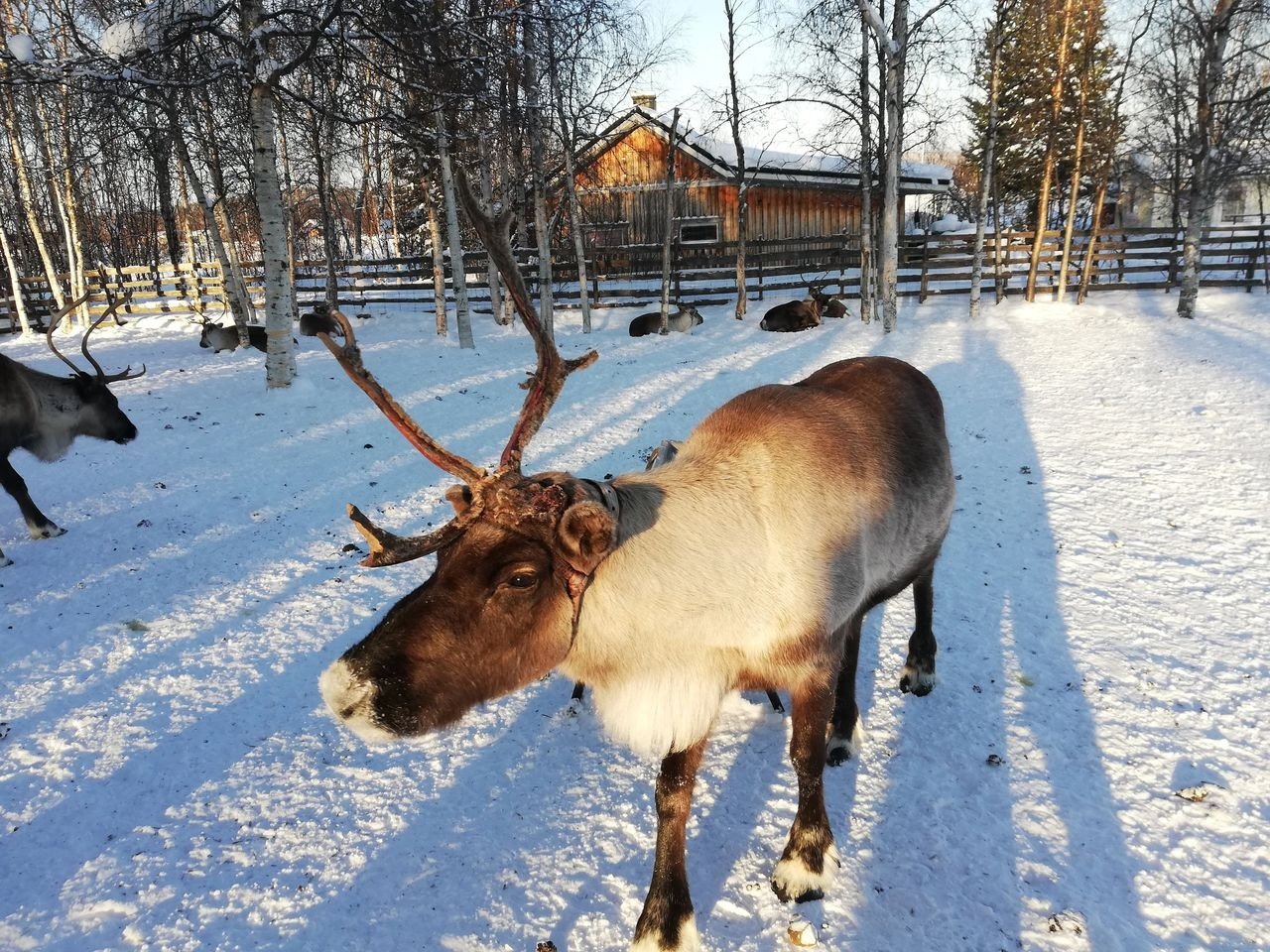
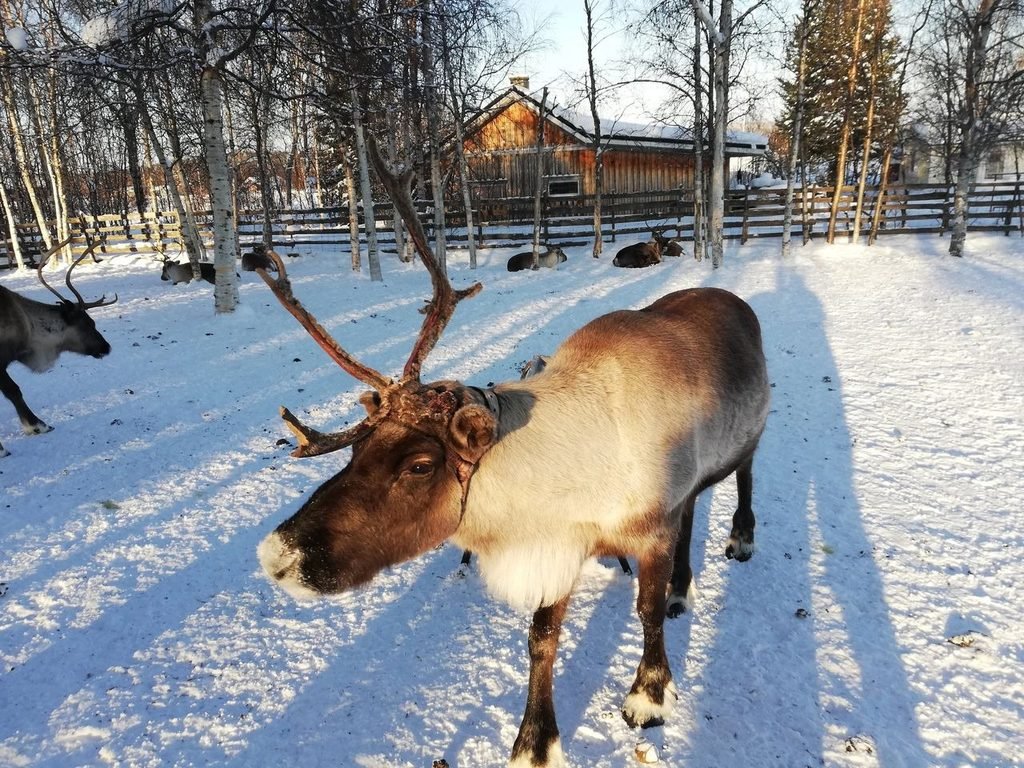
Nestled in the northernmost remote parts of Scandinavia, the Sami people, also known as the Sámi or Saami, have a rich and resilient culture that has weathered centuries of challenges. Their unique way of life, closely tied to reindeer herding, has become a symbol of their identity, making them an integral part of the Arctic landscape. However, the Sámi people have not been immune to the pressures of modernization and, in some cases, governmental policies that have threatened their cultural heritage.
The Sámi people’s history is deeply rooted in the Arctic tundra and boreal forests spanning across Norway, Sweden, Finland, and parts of Russia. With a history dating back thousands of years, they are one of Europe’s oldest indigenous groups. Traditionally, the Sámi have maintained a semi-nomadic lifestyle, relying on reindeer herding, fishing, and hunting to sustain themselves.
Reindeer husbandry is at the heart of Sámi culture. It’s not just an economic activity; it’s a way of life, a tradition passed down through generations. The relationship between the Sámi people and their reindeer is symbiotic, where the herders rely on the animals for sustenance, clothing, and tools, while the reindeer benefit from the guidance and protection of their human caretakers.
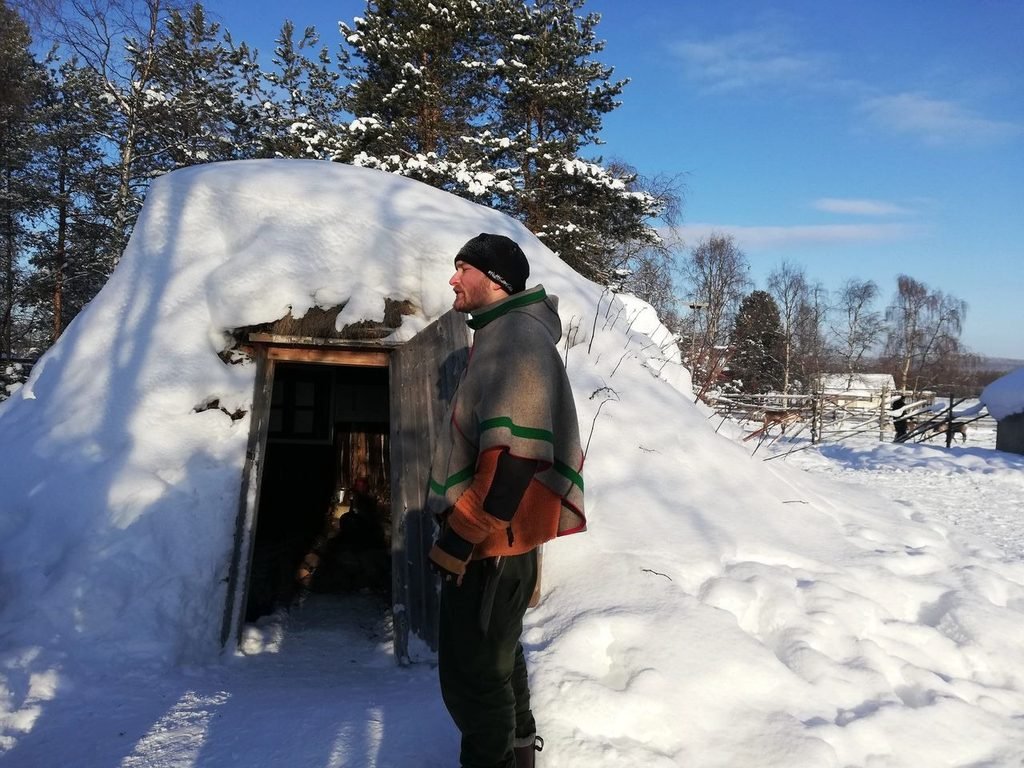
The Sámi people have a profound respect for nature, viewing the reindeer as more than just a source of livelihood. The connection between the herders and their animals is spiritual and sacred, with rituals and ceremonies dedicated to honouring the bond between the Sámi people and the reindeer.
In the face of adversity, reindeer herding remains a cornerstone of Sámi identity and resilience. While modernization and climate change pose threats to this traditional way of life, the Sámi people are adapting and innovating to protect their cultural heritage. Reindeer herding is not just an economic activity but a cultural practice that fosters a sense of community and belonging.
Despite their deep-rooted cultural significance, the Sámi people have faced numerous challenges, including historical persecution by governments. In Sweden, the Sámi people experienced a dark chapter in the 19th and early 20th centuries when the Swedish government implemented policies aimed at assimilating and eradicating indigenous cultures – eugenics, ethnic cleansing, and marginalization were just a few of the horrific practices imposed.
One of the most notorious aspects of this era was the forced assimilation of Sámi children into mainstream Swedish society through boarding schools. These schools aimed to strip away the Sámi language, culture, and traditions, replacing them with Swedish norms. The trauma caused by these policies reverberates through Sámi communities to this day.
The Swedish government’s prosecution of the Sámi people left lasting scars on the community. It disrupted the transmission of traditional knowledge between generations, weakened the Sámi language, and severed the sacred ties between the people and their land. Despite these historical injustices, the Sámi people have demonstrated remarkable resilience, striving to reclaim and revitalize their cultural heritage.
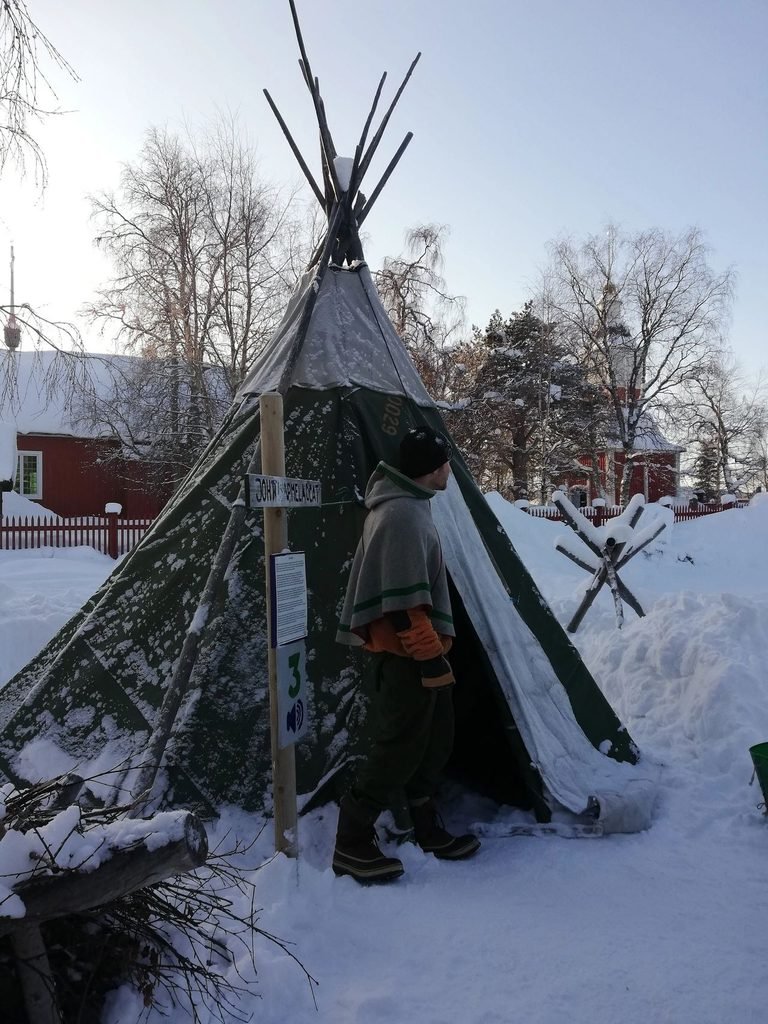
As of recent years, statistical data sheds light on the challenges the Sámi people continue to face. High rates of unemployment, lower educational attainment, and health disparities persist within Sámi communities. These disparities are often linked to historical injustices, as well as contemporary issues such as land encroachment, climate change affecting traditional livelihoods, and the ongoing struggle for recognition and self-determination.
Today, the Sámi people are actively engaged in initiatives to preserve and revitalize their culture. Language revitalization programs, cultural festivals, and educational initiatives are playing a crucial role in passing down traditional knowledge to younger generations. By reclaiming their language and celebrating their cultural practices, the Sámi people are asserting their identity and asserting their right to exist as a distinct and vibrant community.
The Sámi people’s journey is one of resilience, determination, and cultural preservation. While historical injustices have left scars, the community is actively working to heal and rebuild. Reindeer husbandry, deeply entwined with their way of life, remains a symbol of the Sámi people’s enduring connection to their land and traditions. As we reflect on the challenges they face, it is essential to acknowledge and support the ongoing efforts to ensure the survival and thriving of the Sámi culture for generations to come.
Written by Oscar Peña