Fun Facts:
- Vasaloppet is not only one of the oldest cross-country ski races in the world but also one of the longest.
- The first official Vasaloppet race took place in 1922 and has been held annually ever since, however, it has been canceled on three occasions: 1932, 1934, and 1990.
- Over the years, Vasaloppet has evolved into a week-long festival of skiing, featuring various races catering to skiers of all ages and abilities.
- Only 11 winners have finished in less than 4 hours. The record winning time by men is 3:28:18, set by Tord Asle Gjerdalen from Norway in 2021, and women 3:50:06 by Astrid Öyre Slind from Norway in 2022.
Every year, as winter blankets the Swedish landscape with a thick layer of snow, thousands of skiers from all corners of the globe gather to partake in a legendary race known as Vasaloppet. This iconic event, deeply rooted in Swedish culture, is not just a test of physical endurance but a celebration of history, community, and the enduring spirit of winter sports.
Vasaloppet traces its origins back to the early 16th century, to a legendary tale of Swedish history. The race commemorates Gustav Vasa’s monumental journey from Sälen to Mora in 1521. At the time, Sweden was embroiled in a struggle for independence against the occupying forces of King Christian II of Denmark. Gustav Vasa, a nobleman and future King of Sweden, fled to Norway to rally support for the rebellion against Danish rule. In 1521, he made the treacherous journey back to Sweden, skiing through the rugged terrain of Dalarna to gather troops for the uprising.
Today, Vasaloppet serves as a tribute to this historic feat of endurance and resilience. The race route follows the same path that Vasa purportedly took, spanning a distance of 90 kilometers from Sälen to Mora.
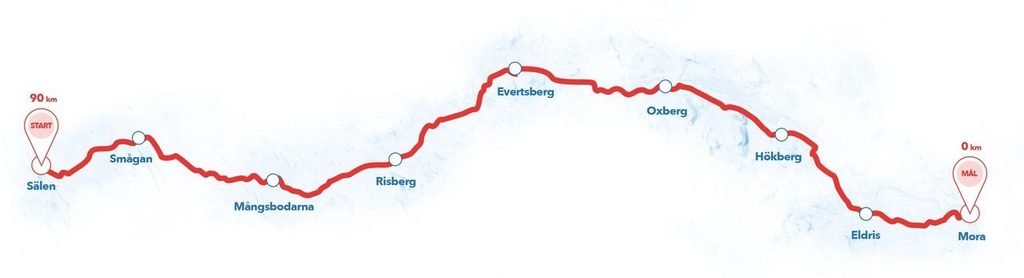
Vasaloppet route
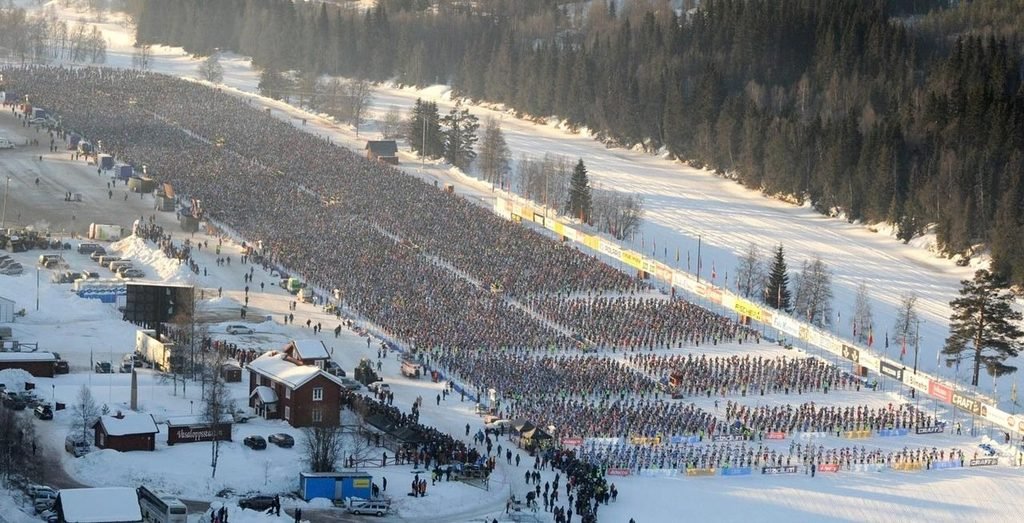
Each year, Vasaloppet attracts upwards of 15,000 skiers from around the world, making it one of the largest ski races on the planet. Participants range from seasoned athletes contending for victory to recreational skiers simply looking to challenge themselves and soak in the atmosphere of this historic event.
The race typically takes place in early March, when Sweden is blanketed in snow and the conditions are ideal for skiing. Unfortunately, in the past years, this layer of snow has become thinner as climate change alters the otherwise typically-cold Swedish climate. Months of training and preparation culminate in this epic journey through the picturesque landscapes of Dalarna, as skiers push their limits and strive to conquer the course.
The race presents countless challenges, both physical and mental, that test the endurance, stamina, and resilience of every participant. From navigating steep ascents and treacherous descents to enduring frigid temperatures and unpredictable weather conditions, skiers must overcome numerous obstacles along the way.
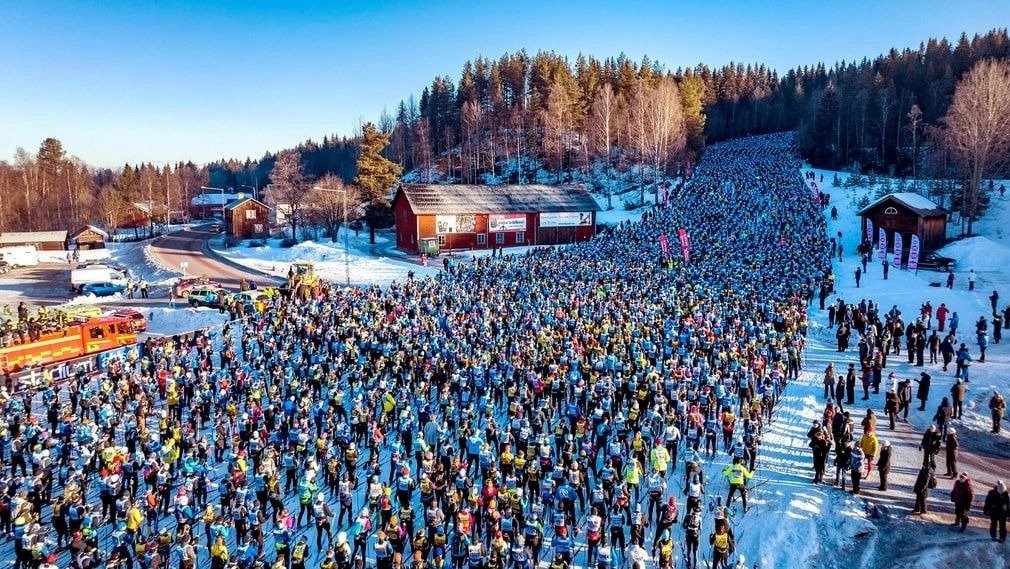
Moreover, the long distance of the race demands unwavering determination and grit. Skiing 90 kilometers is no small feat, and even the most seasoned athletes find themselves pushed to their limits as they traverse the rolling terrain of central Sweden.
For Swedes, Vasaloppet is more than just a ski race; it’s also part of the national identity. The event embodies the Swedish love affair with winter sports and the great outdoors, serving as a source of pride and camaraderie for participants and spectators alike.
Vasaloppet also holds a special place in the hearts of many Swedes as a symbol of unity and perseverance. Vasaloppet is more than just a ski race; it’s a testament to the enduring spirit of adventure, athleticism, and community that defines Swedish culture. Just as Gustav Vasa rallied his countrymen in the fight for independence, so too does Vasaloppet bring people together from all walks of life, united in their shared passion for skiing and their determination to overcome any obstacle in their path.
Written by Oscar Peña