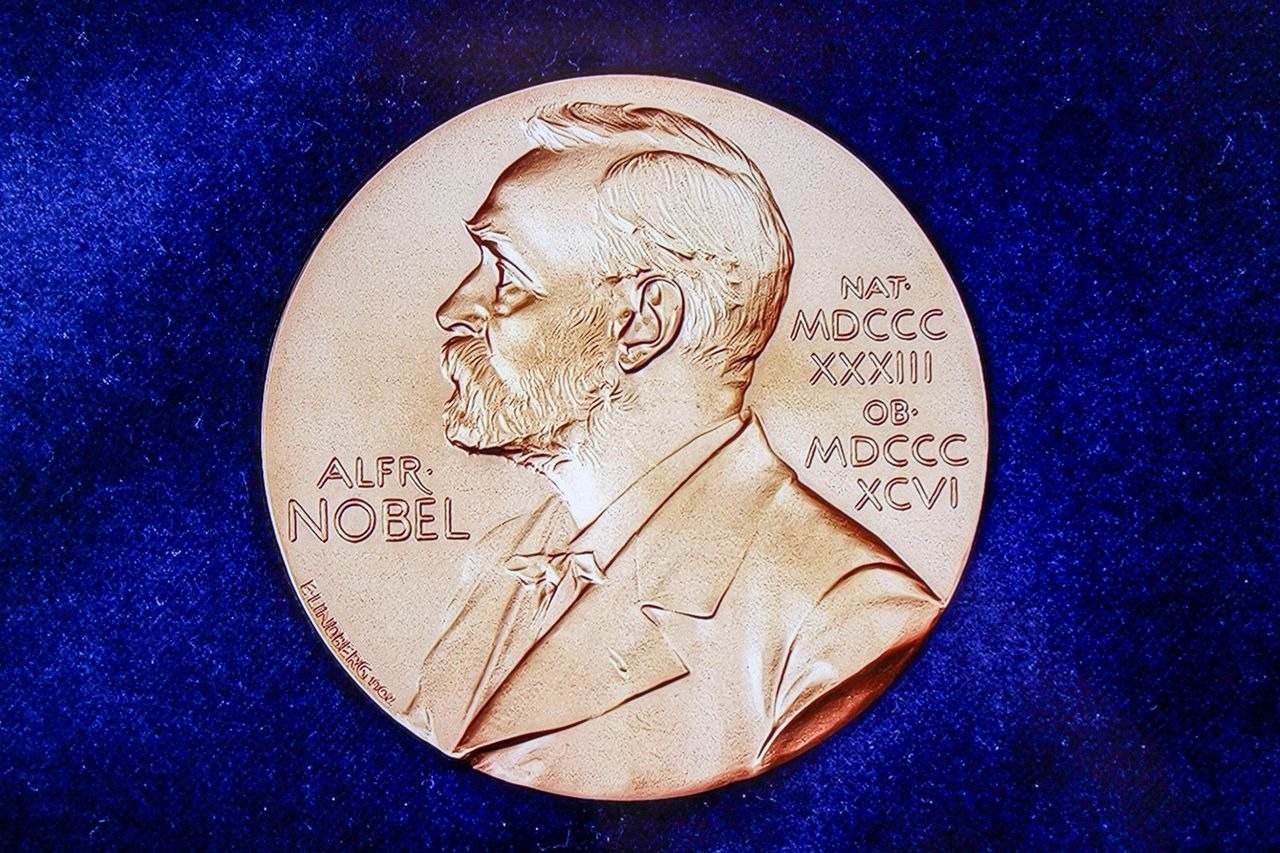
There was a situation between France and Sweden regarding the hosting of the Nobel Prizes after Alfred Nobel’s death and it was marked by tension and controversy, largely stemming from the unexpected contents of his will.
Alfred Nobel’s will, written in 1895, specified that his fortune was to fund annual prizes in Physics, Chemistry, Medicine, Literature, and Peace. These prizes would be awarded by Swedish and Norwegian institutions. However, Nobel spent much of his life outside Sweden, particularly in France, where he lived for nearly two decades. Nobel’s choice to entrust Sweden and Norway with the administration of his prizes caught many in France off guard, including his French colleagues and the French government.
This decision was controversial for two main reasons:
- Lack of French Involvement: Nobel had close professional and personal ties to France, and many assumed that his legacy would be more closely associated with the country. The fact that French institutions were entirely excluded from the administration of the prizes led to resentment.
- Unexpected Beneficiaries: Even in Sweden, some of Nobel’s family members and other associates were surprised and unhappy with the will’s provisions, leading to legal disputes.
A Swedish-French Dispute
After Nobel’s death in 1896, his will sparked debates about where the prizes should be administered. France, where Nobel had lived and worked extensively, felt slighted. Nobel’s home and laboratory in Paris were significant to his career, and many French intellectuals believed their country should play a prominent role in the prizes.
In Sweden, however, Nobel’s intentions were taken as a point of national pride. The Swedish institutions mentioned in the will were quick to assert their rights to administer the prizes. Sweden’s determination to honor Nobel’s wishes was reinforced by the fact that his will clearly named Swedish and Norwegian institutions as the stewards of the prizes.
Adding another layer of complexity, Nobel’s decision to have the Peace Prize administered by a Norwegian committee reflected the political dynamics of the time. In 1895, Sweden and Norway were part of a union (1814–1905), and Norway had its own parliament and significant autonomy. Nobel’s choice likely stemmed from Norway’s reputation as a nation more committed to peace and neutrality than Sweden. This decision led to additional questions, particularly in Sweden, about why Norway was entrusted with such a prestigious aspect of the legacy.
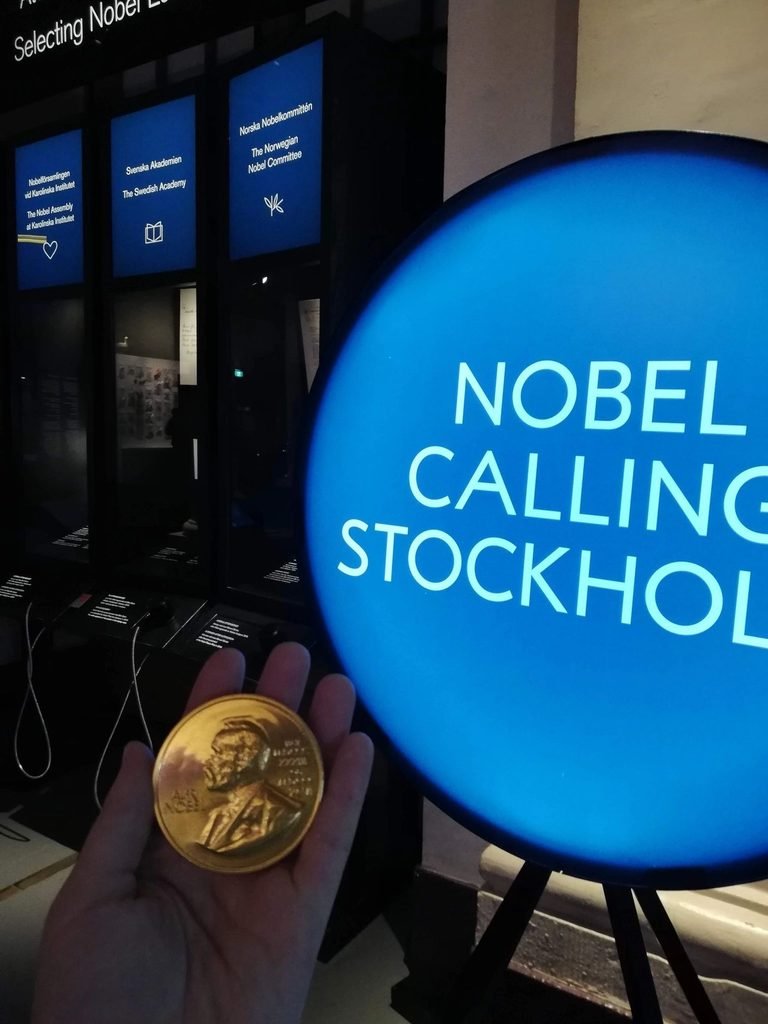
Nobel Calling Stockholm exhibit at the Nobel Museum in 2023
Resolution and the Birth of the Prizes
Despite the disputes, the Swedish and Norwegian institutions moved forward to fulfill Nobel’s wishes. The Royal Swedish Academy of Sciences, Karolinska Institute, and Swedish Academy were assigned to handle the prizes in Physics, Chemistry, Medicine, and Literature, respectively, while the Norwegian Nobel Committee took charge of the Peace Prize.
The first Nobel Prizes were awarded in 1901, cementing Sweden and Norway’s roles in the process. While France was ultimately left out of the administration of the prizes, the inclusion of laureates from all nations helped soften the initial tensions. Over the years, numerous French scientists, writers, and peacemakers have been honored, maintaining the connection between Nobel’s legacy and his adopted home.
Want to learn more about the Nobel Prizes? Curious to discover Stockholm during the Nobel Prize week? Make sure to check our previous blogpost: Alfred Nobel – the man behind the legacy – XperienceSthlm
Written by Oscar Peña