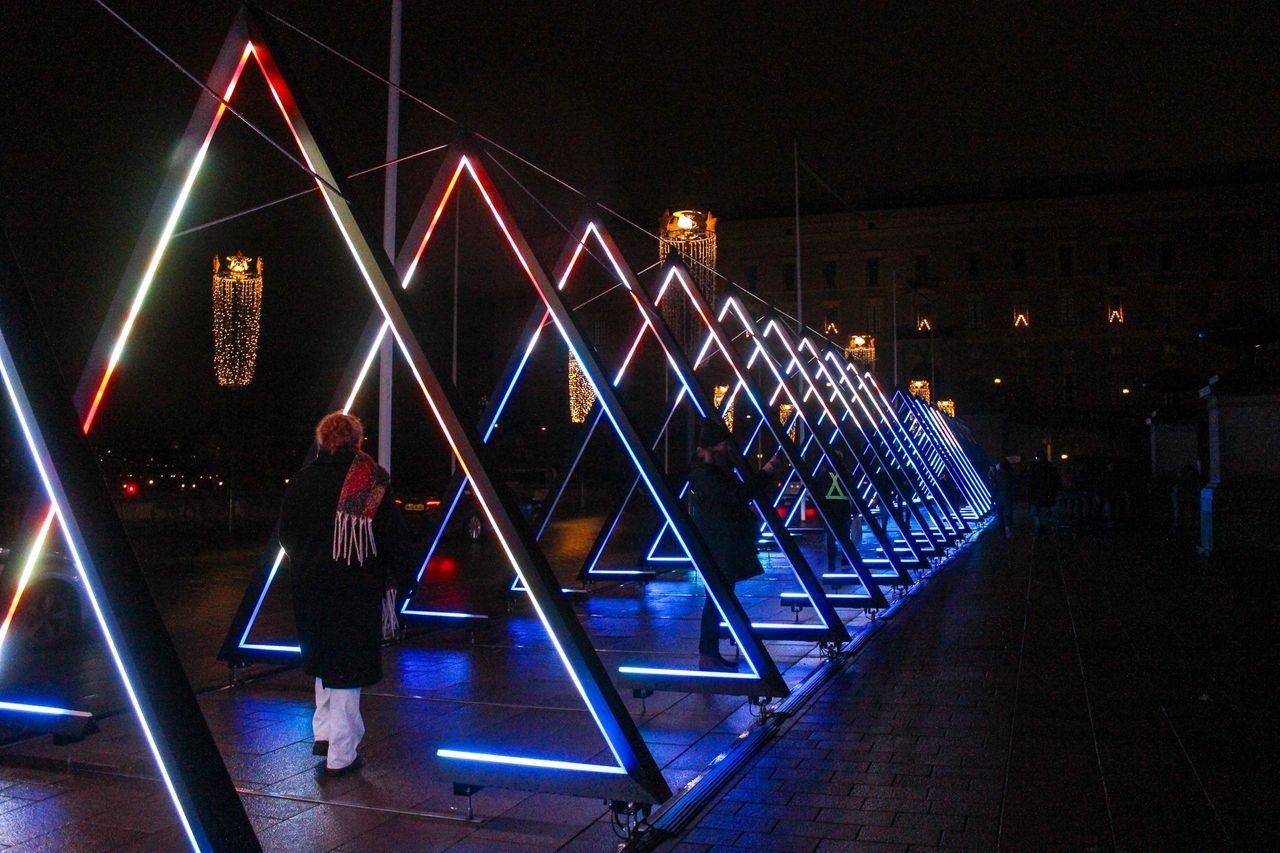
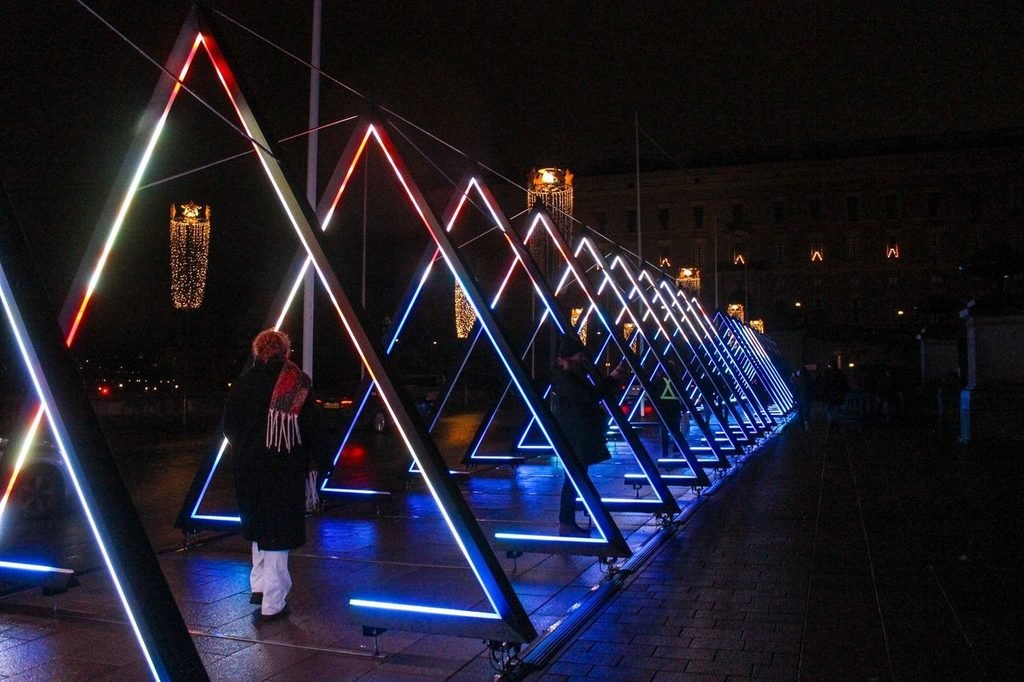
Nobel Week Lights in Stockholm
The Nobel Prizes have become one of the world’s most prestigious honors, celebrating exceptional contributions in various fields. But how are these prizes awarded, and what makes them so significant?
The Five Nobel Prizes (plus one)
The original Nobel Prizes, as outlined in Alfred Nobel’s will, are awarded in the following categories:
- Physics – Recognizing groundbreaking discoveries in the natural sciences.
- Chemistry – Honoring advancements in chemical science.
- Medicine or Physiology – Awarded for transformative work in medical research.
- Literature – Celebrating exceptional literary achievements.
- Peace – Recognizing efforts to promote peace and resolve conflicts.
Each prize is awarded by a specific committee or institution:
- Physics and Chemistry: Chosen by the Royal Swedish Academy of Sciences.
- Medicine: Selected by the Karolinska Institute.
- Literature: Decided by the Swedish Academy.
- Peace: Awarded by the Norwegian Nobel Committee, as per Nobel’s request.
Interestingly, there is a sixth Prize which was not part of Nobel’s original will: The Nobel Memorial Prize in Economic Sciences . This Prize was established in 1968 by the Swedish National Bank in his memory. While often grouped with the other Nobel Prizes, it is technically not a “real” Nobel Prize. Nonetheless, it honors outstanding contributions to the field of economics and is awarded alongside the original prizes.
Ceremony and Gala
The Nobel Prizes are awarded annually on December 10, the anniversary of Alfred Nobel’s death. The ceremonies take place in two locations:
- In Stockholm, Sweden, where the Physics, Chemistry, Medicine, Literature, and Economics prizes are awarded by the King of Sweden.
- In Oslo, Norway, where the Nobel Peace Prize is presented by the Norwegian Nobel Committee.
The celebrations include a grand banquet at Stockholm City Hall, attended by royalty, politicians, and laureates. This gala dinner features elaborate dishes and cultural performances, cementing the event as a highlight in global academic and cultural calendars.
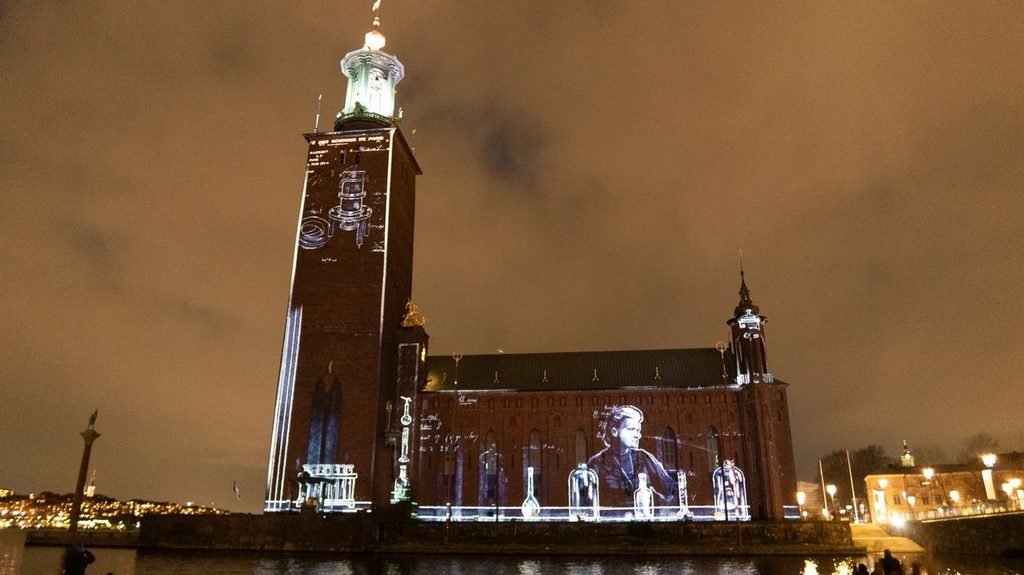
Stockholm City Hall – where the Nobel Banquet is held
Through the Nobel Prizes, Alfred Nobel’s name continues to inspire innovation, creativity, and peace worldwide. The banquet’s pomp and ceremony might be glamorous, but the true legacy lies in the profound impact of the laureates’ work on humanity.
Alfred Nobel’s decision to transform his reputation from a “merchant of death” to a patron of peace and progress serves as a testament to his visionary spirit.
Fun Facts about the Nobel Prizes
- Posthumous Awards: Nobel Prizes are not usually awarded posthumously, but there are rare exceptions if the laureate dies after the announcement but before the ceremony.
- Declined Prizes: Jean-Paul Sartre declined the Literature Prize in 1964, adhering to his principle of rejecting official honors.
- Awarded twice in different fields: Marie Curie (Physics and Chemistry) and Linus Pauling (Chemistry and Peace)
Want to learn more about the Nobel Prize festivities and controversies? Check out our next blogpost in this series about the Nobel Prizes.
Written by Oscar Peña