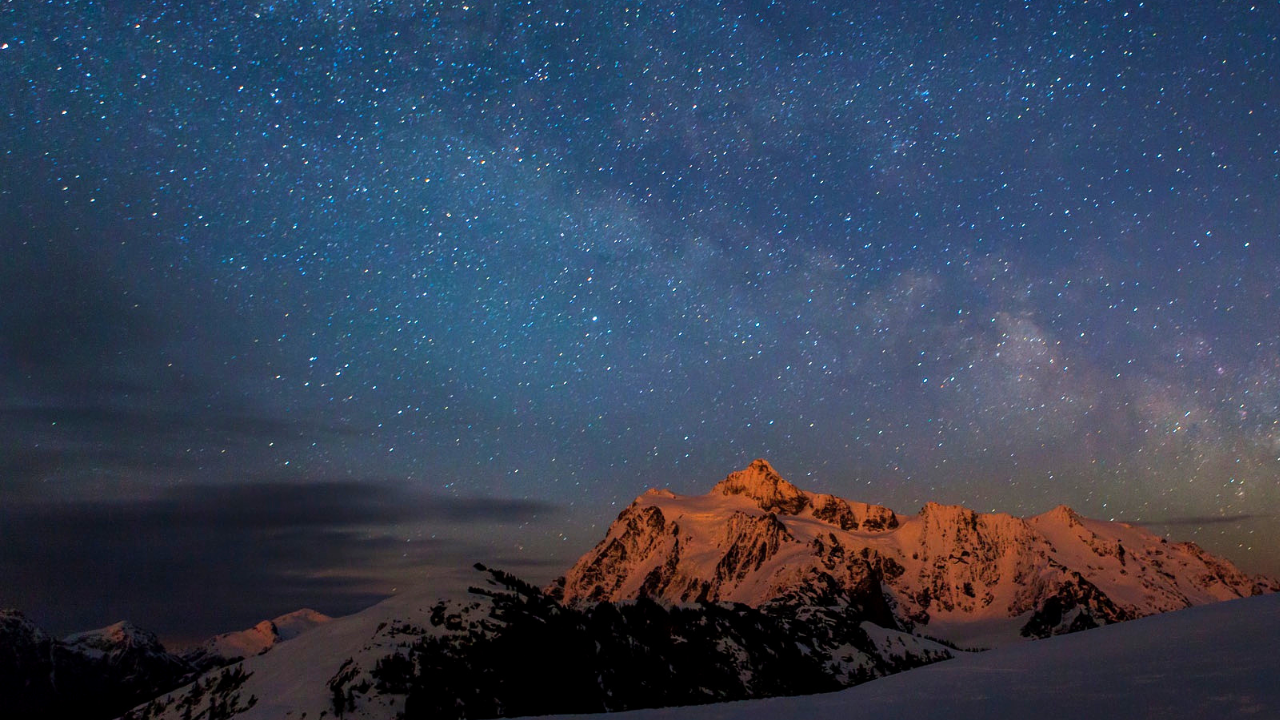
Astrotourism is an emerging form of travel that is centred on the night sky. It includes stargazing, Northern Lights experiences, photography, visits to observatories and planetariums and guided activities in the dark. It is closely linked to noctourism, where travelling to places with natural darkness, low light pollution and clear skies create a meaningful visitor experience.
Why Is this Trend Growing?
The roots of astrotourism lie in increasing astronomy visits, eclipse travel and visits to observatories. Today, these activities are being reinterpreted as a wider travel trend. Growing light pollution makes genuinely dark skies increasingly rare, especially near cities. At the same time, more travellers are looking for slow, quiet and nature-based experiences. Astrotourism also connects well with wellness, digital detox, educational travel and the desire of many travelers to witness rare natural events such as the Northern Lights, meteor showers or eclipses.
Why Come to Sweden to Experience Astrotourism?
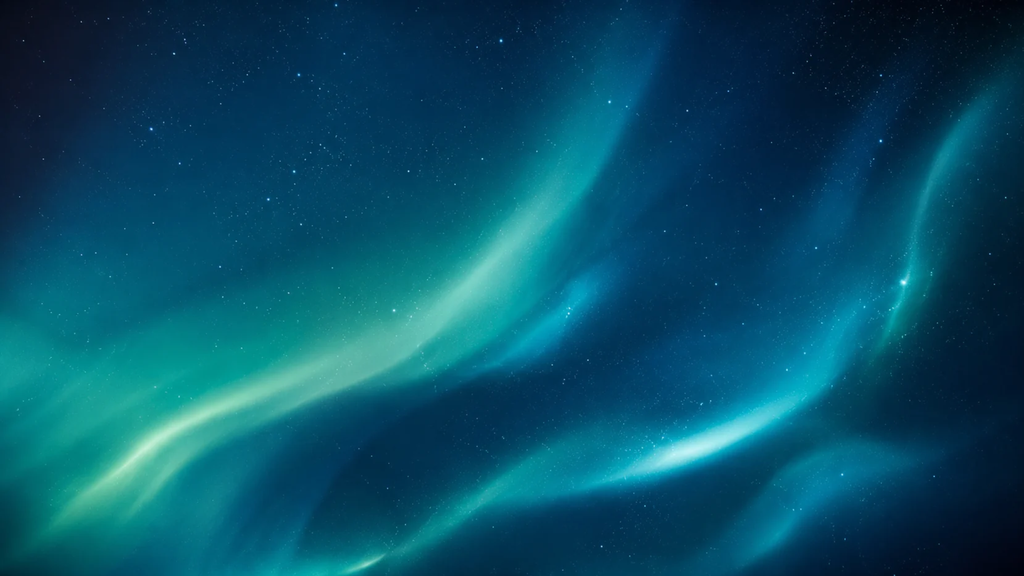
In Sweden, astrotourism is often closely connected to one specific experience: the Northern Lights. This makes northern Sweden particularly interesting for developing night experiences. Swedish Lapland is the leading region, especially around Kiruna, Abisko, Jukkasjärvi and Jokkmokk. Its remote location, long winter nights and low pollution create strong conditions for aurora and stargazing experiences. Other regions also offer potential: central Sweden provides accessible experiences closer to urban areas, while southern Sweden and the coast are suitable for observing the Milky Way and meteor showers. Cities such as Stockholm add educational value through observatories, planetariums and public astronomy events which are coming back in 2027.
So stay tuned for more exciting opportunities to experience the Swedish night sky!